
Grass and forage seed can be extremely small and heavy or large and light — and a lot of it bridges or flows poorly through standard handling equipment. Vistasort configures grass and forage seed cleaning equipment built around size, shape, and gentle product movement, up to certified seed purity standards.
Grass and forage seed doesn't behave like cereals, pulses, or oilseeds. Some varieties are extremely small and heavy, others large and light, and many flow poorly or bridge in bins, hoppers, and conveyors during handling — a problem that barely comes up with wheat or lentils. Weed seed contaminants are frequently the same size as the crop itself, which pushes cleaning further toward shape-based separation than most other crop types need.
That combination — extreme size variation, poor product flow, and shape-based purity requirements — is what grass and forage seed cleaning equipment is actually built to solve. Screening and gravity separation still do the bulk of the work, but a disc machine or spiral separator is often needed to finish the job, and how product physically moves through the plant matters more here than almost anywhere else.
Vistasort has configured grass and forage seed cleaning equipment for Canadian processors since 1986, anchored by the LMC Marc Gravity Separator and LMC vibratory conveyors — LMC has built vibratory conveying equipment for over 70 years.
A complete grass and forage seed cleaning lineup is built from these core machines. Not every crop needs every piece — see the crop table below for what applies where.
Removes light material and dust before primary screening.
Clipper primary separation — fine wire mesh screens for very small seed.
Carter Day length-based separation for foreign seed removal.
Precise separation even for very small density differences.
Shape-based separation — round seed vs. irregular contaminants.
VSH-2096 dehulling for select grass and forage seed crops.
Gentle, counterbalanced conveying that resists bridging.
Protects equipment and product from ferrous metal contamination.
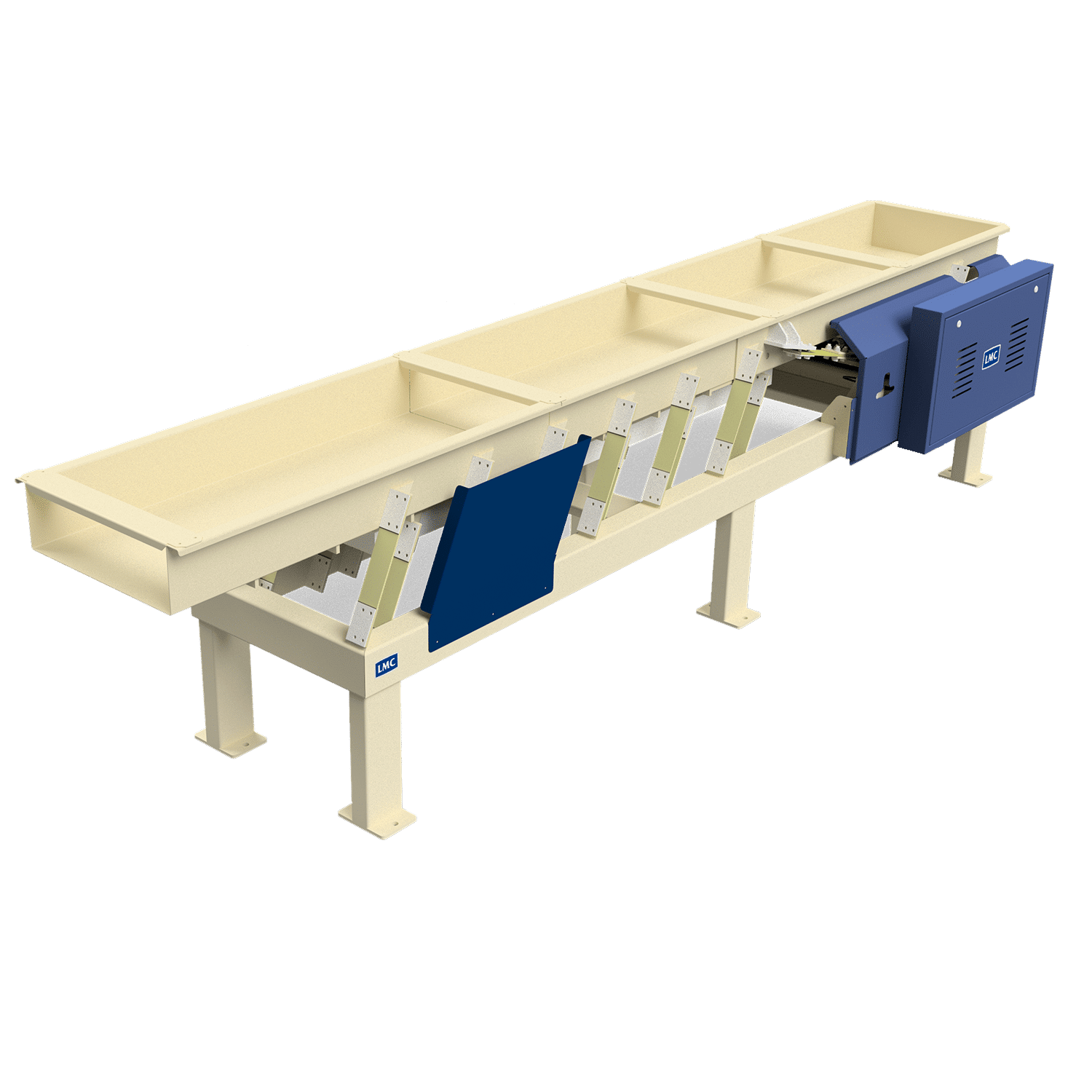
Grass and forage seed has a handling problem most cereals and pulses don't: it flows poorly or bridges in bins, hoppers, and standard conveyors. Impact, tumbling, and free-fall damage fine seed and make the bridging worse. The LMC vibratory conveyor solves this with a counterbalanced eccentric drive that moves product gently down a pan, without the impact that causes damage or clogging.
LMC has built vibratory conveying equipment for over 70 years, in five series covering pan widths from 8 to 84 inches — several of which can screen and convey simultaneously. It's less about cleaning the seed and more about making sure the seed actually gets where it needs to go.
Timothy, alfalfa, clover, and fescue share the same core equipment but need different configuration decisions. Contact Vistasort for exact screen and configuration specs — seed dimensions vary by variety and harvest year.
| Crop | Primary Separation Objective | Key Challenges | Equipment Path |
|---|---|---|---|
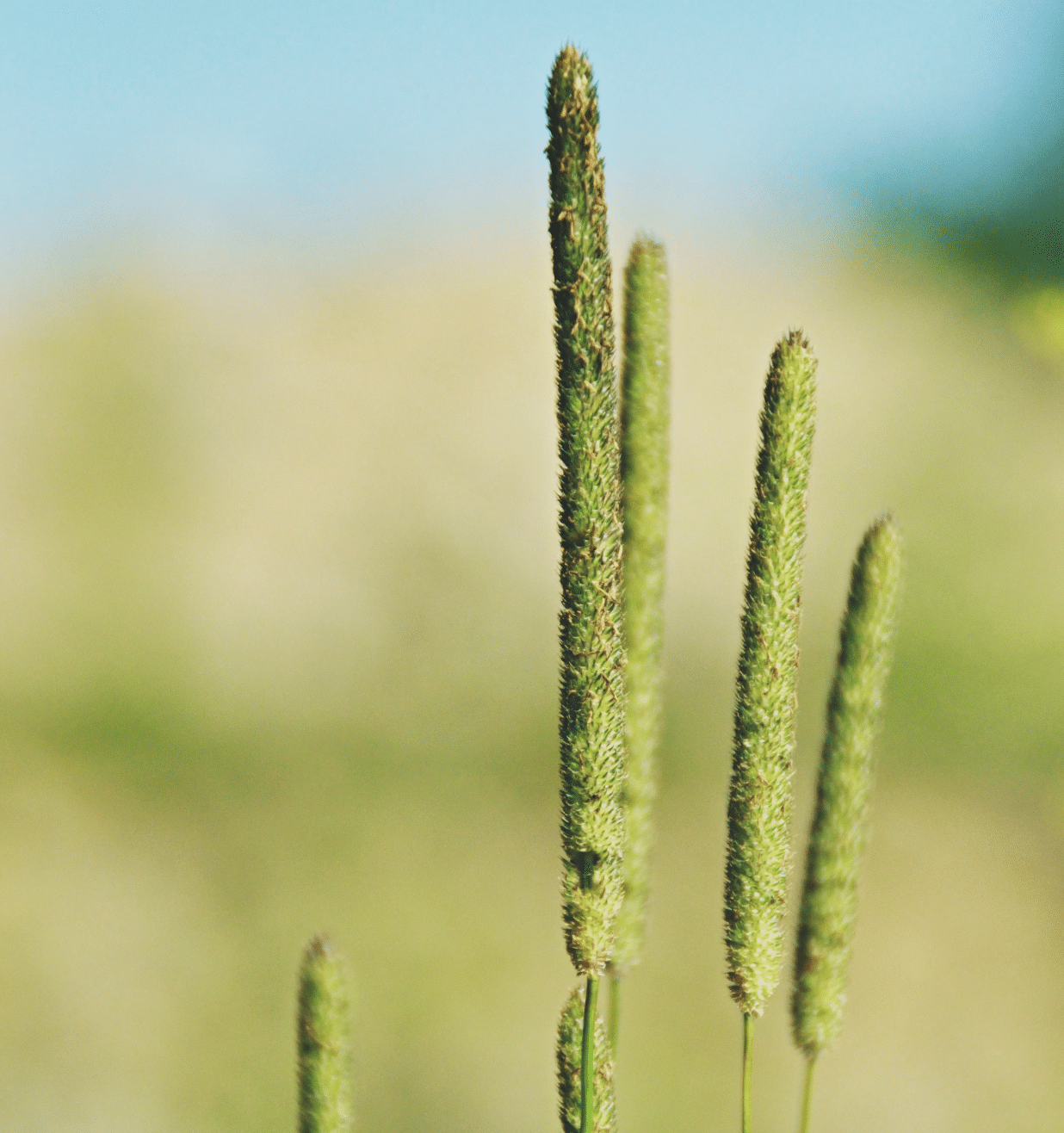 Timothy Timothy | Remove fine weed seed; variety purity for certified lots | Very small, lightweight seed; easily lost through oversized screens | Gravity Sep. Spiral Sep. Vib. Conveyor |
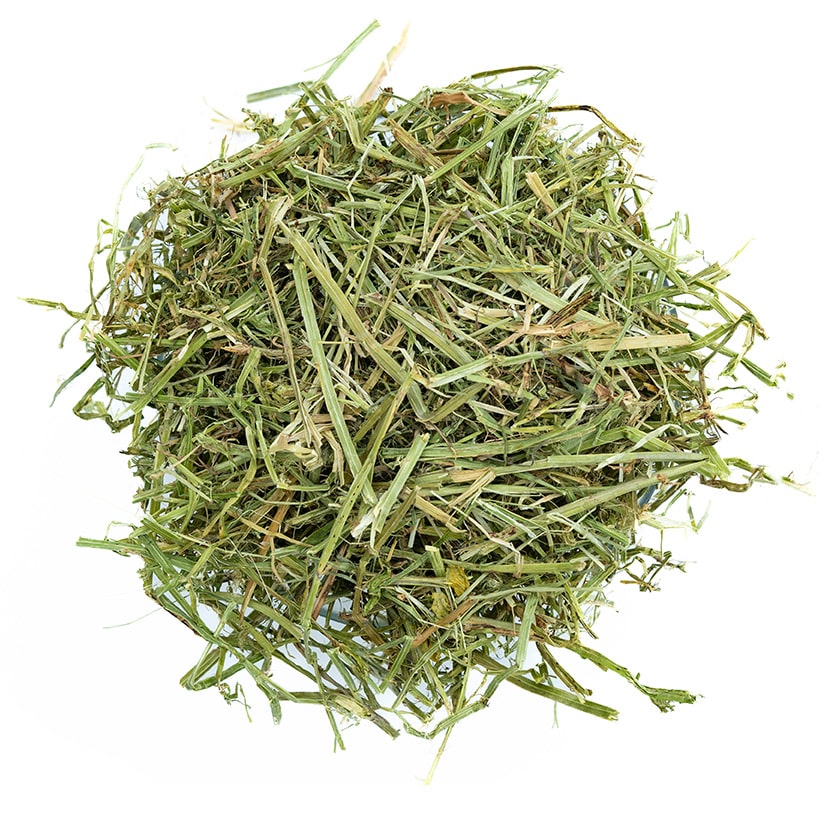 Alfalfa Alfalfa | Foreign material removal; hard seed and weed seed separation | Prone to bridging in bins and standard conveyors | Gravity Sep. Indent Sep. Vib. Conveyor |
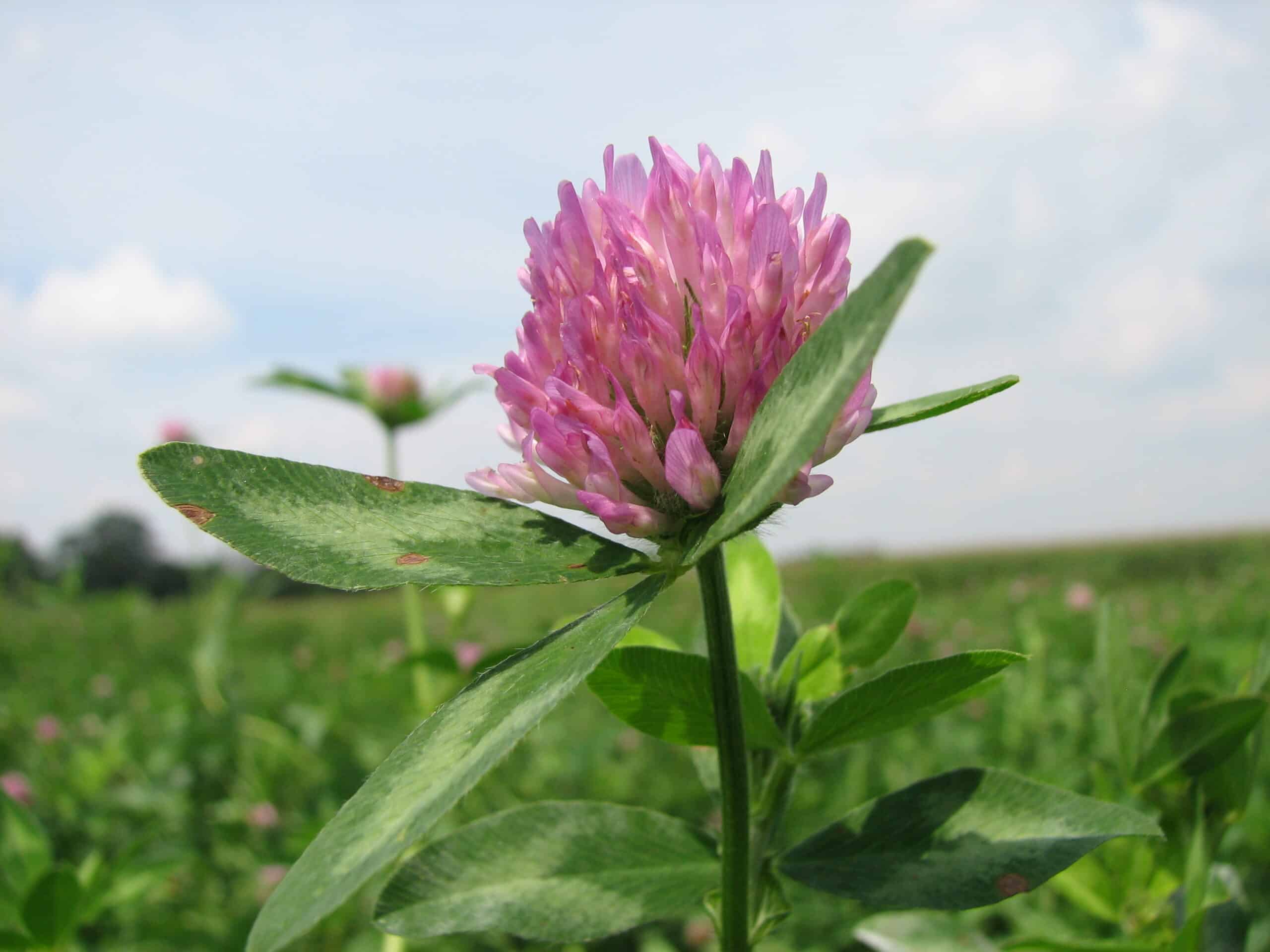 Clover Clover | Weed seed removal; variety purity for certified lots | Small, hard seed; flows poorly through standard equipment | Gravity Sep. Spiral Sep. Color Sorter |
 Fescue & Bluegrass Fescue & Bluegrass | Fine screening; shape-based off-type removal | Extremely fine seed; tight tolerances for certified seed lots | Gravity Sep. Spiral Sep. Color Sorter |
✱ This table provides general directional guidance only. Screen opening sizes and certified seed tolerances vary by variety and Canadian Seed Growers' Association standards. Contact Vistasort for crop-specific equipment recommendations before ordering.
Not sure which configuration fits your crop? Send a sample and we'll show you exactly what a properly configured grass and forage line removes, no obligation.
Request a Free Lab Sample TestGentle conveying runs through every stage of a grass seed line — not just as a transfer step, but as a design requirement the whole way through.
An aspirator removes light material and dust before primary screening, and a magnet separator pulls ferrous metal before it reaches the rest of the line.
Fine wire mesh screens sized to the crop scalp oversized material and remove undersized debris — critical for genuinely tiny seed like fescue and bluegrass.
A gravity separator removes off-types by density, and a disc machine or spiral separator removes contaminants that are the same size and weight but a different shape.
For certified seed lots, a color sorter provides a final colour-based variety purity upgrade beyond what physical separation alone can deliver.
Unlike most crops, grass and forage seed needs gentle handling at every transfer point, not just at the end. LMC vibratory conveyors move product between stages without the impact or free-fall that causes bridging, clogging, and seed damage in fine, poorly-flowing varieties.
These are the four problems that come up most often on grass and forage seed lines, and the equipment Vistasort configures to solve each one.
Standard screen openings sized for cereals or pulses would let genuinely tiny grass seed pass straight through with the waste stream.
Some grass and forage varieties flow poorly or bridge in bins and standard conveyors — a handling problem most cereals and pulses don't have.
When weed seed contaminants are the same size and density as the crop, shape becomes the only variable left to separate on.
Certified seed standards often go beyond physical separation, requiring a final visual purity check that only optical sorting can deliver.
Anyone can sell you a gravity separator. Configuring a grass seed line that actually hits certified purity takes knowing when a crop needs shape-based separation, when it needs gentle conveying more than it needs cleaning, and when both apply at once.
Vistasort is Western Canada's authorized dealer for LMC processing equipment — including the Marc Gravity Separator and the vibratory conveyors that anchor most grass and forage seed lines. Steven Chivilo holds a Master's Certificate in Grain Operations Management from Kansas State University and is PMP certified; Chris Hammel has spent 40 years configuring seed and grain cleaning lines across Western Canada.
Not sure which pieces your line needs? Request a free lab sample test — send us a sample of what you're cleaning and we'll show you what a properly configured line removes.
Send us a sample of the timothy, alfalfa, clover, or fescue you're cleaning — we'll show you what properly configured grass and forage seed cleaning equipment removes, with no obligation to buy.
Call +1-306-242-9292 | Toll-free +1-800-667-6924 | info@vistasort.com