
Wild oats, ergot, frost-damaged kernels, and malt plumpness specs all demand different equipment — not just a bigger cleaner. Vistasort configures complete cereal grain cleaning equipment for wheat, barley, oats, and durum, built around the contaminant you're actually trying to remove.
Cereal crops — wheat, barley, oats, and durum — don't share one cleaning problem. Wheat cleaning is built around removing wild oats and ergot to hit milling or export grade. Malt barley adds a plumpness-sizing step that standard screening can't deliver on its own. Oats need shape-retaining screens and, for food-grade markets, a dehulling step. Treating all four crops with the same generic cleaning line is how processors miss grade and lose yield they didn't have to.
Vistasort configures cereal grain cleaning equipment around the specific contaminant and grade target — not a one-size-fits-all setup. That means selecting the right combination of aspiration, screening, gravity separation, indent separation, destoning, and optical sorting for the crop actually running through your plant.
Vistasort has been configuring cereal grain cleaning equipment for Canadian processors since 1986, including over 100 LMC Gravity Separators currently running in Western Canada — the machine most cereal lines depend on for ergot and density-based separation.
A complete cereal grain cleaning equipment lineup is built from these core machines. Not every crop needs every piece — see the crop table below for what applies where.
Removes light material — dust, chaff, and light debris — before primary screening, reducing load on the rest of the line.
The primary separation step. Scalps oversized straw and pods, removes undersized material, using screens sized to the crop.
Separates by length — the mechanical answer to wild oat removal from wheat and barley, where screening alone falls short.
Removes stones and heavy foreign material by density and vibration — protects downstream equipment and final grade.
Density-based separation — the primary tool for ergot and frost-damaged kernel removal in wheat and other cereals.
Final optical purity check — removes discoloured, damaged, or ergot-contaminated kernels that passed every prior stage.
Moves product gently and reliably between each stage of the cleaning line without damaging kernels or causing breakage.
Protects downstream equipment and end product from ferrous metal contamination picked up during harvest and handling.
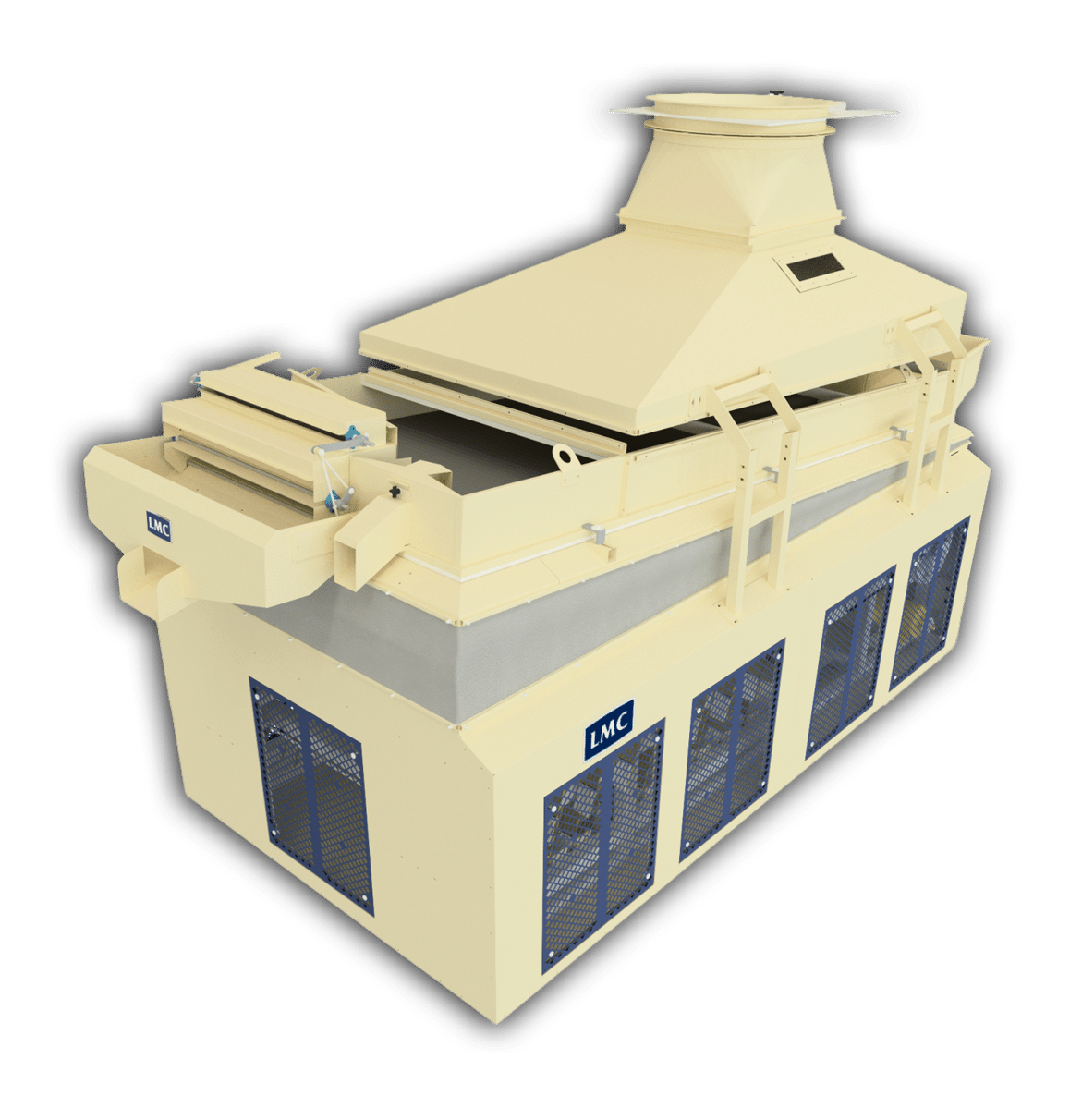
Density is the variable that matters most for cereal-specific contamination: ergot bodies and frost-damaged kernels are lighter than sound grain, and the gravity separator is the machine built to separate on exactly that difference.
Over 100 LMC Gravity Separators are currently running across Western Canada — the same design shown here is at the core of most cereal lines Vistasort configures.
Wheat, barley, oats, and durum share the same core cereal grain cleaning equipment line but need different configuration decisions. Here's the equipment path for each. Contact Vistasort for exact screen and configuration specs — kernel dimensions vary by variety and harvest year.
| Crop | Primary Separation Objective | Key Challenges | Equipment Path |
|---|---|---|---|
 Wheat Wheat | Milling / export grade — weed seed and contaminant removal | Wild oat; ergot; frost-damaged kernels | Air Screen Cleaner Indent Sep. Gravity Sep. Color Sorter |
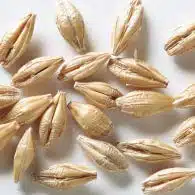 Barley (Malt & Feed) Barley (Malt & Feed) | Primary cleaning plus plumpness sizing for malt grade | Malt buyers grade on kernel plumpness percentage | Air Screen Cleaner Sizing Shaker Gravity Sep. Color Sorter |
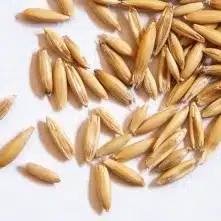 Oats Oats | Scalp large chaff; retain long kernel shape | Long kernel requires slot-style screens; dehulling for food-grade | Air Screen Cleaner Impact Huller Gravity Sep. Color Sorter |
| Durum | Pasta-grade purity — foreign material and defect removal | Vitreous kernel defects; foreign material similar in size to durum | Air Screen Cleaner Destoner Color Sorter |
✱ This table provides general directional guidance only. Grade tolerances for wild oats, ergot, and other contaminants follow the Canadian Grain Commission's Official Grain Grading Guide. Contact Vistasort for crop-specific equipment recommendations before ordering.
Not sure which configuration fits your crop? Send a sample and we'll show you exactly what a properly configured cereal line removes, no obligation.
Request a Free Lab Sample TestEach machine in a cereal grain cleaning equipment line has a specific job. Configured correctly, each stage reduces the contamination load the next stage has to handle.
Field-run cereal carries dust, chaff, and light debris straight off the combine. An aspirator removes light material first, and a magnet separator pulls ferrous metal before it reaches the rest of the line.
The primary separation step. Screens sized to the crop scalp oversized straw and pods, and remove undersized broken kernels and fine weed seed — the bulk of the cleaning load happens here.
An indent separator removes wild oats by length. A gravity separator removes ergot and frost-damaged kernels by density. A destoner pulls stones and heavy foreign material. Barley destined for malt runs through a sizing shaker here for plumpness grading.
The VistaSort color sorter is the final checkpoint, removing discoloured or damaged kernels — including residual ergot — that made it through every prior stage. Conveyance moves product between each stage without kernel damage.
These are the four contamination and grading problems that come up most often on cereal grain cleaning equipment lines, and the equipment Vistasort configures to solve each one.
Wild oats are close enough in width to wheat and barley that screens alone can't reliably remove them. Length is the only mechanical difference worth separating on.
Ergot bodies and frost-damaged kernels are typically less dense than sound wheat — density is the separation variable that works.
Maltsters pay a premium for plump kernels that germinate and modify evenly — a spec that primary screening cannot guarantee on its own.
Oats' long kernel shape requires slot-style screens rather than round holes, and food-grade markets require the hull removed entirely.
Anyone can sell you an air screen cleaner. Configuring cereal grain cleaning equipment that actually hits your grade — on your crop, in your conditions — takes knowing how wild oat length, ergot density, and malt plumpness specs interact with the equipment available to solve them.
Steven Chivilo holds a Master's Certificate in Grain Operations Management from Kansas State University and is PMP certified; Chris Hammel has spent 40 years configuring seed and grain cleaning lines across Western Canada. Between them, they've built cereal lines around every contaminant on this page.
Not sure which pieces your line needs? Request a free lab sample test — send us a sample of what you're cleaning and we'll show you what a properly configured line removes.
Send us a sample of the wheat, barley, oats, or durum you're cleaning — we'll show you what properly configured cereal grain cleaning equipment removes, with no obligation to buy.
Call +1-306-242-9292 | Toll-free +1-800-667-6924 | info@vistasort.com